 By
By Think about the last event, presentation, or performance that truly held your attention. Chances are, it was not just the words that stayed with you, but the clarity of the sound, the impact of the visuals, and the way everything worked together seamlessly. Audio video services sit at the intersection of technology and storytelling, shaping how messages are delivered and how experiences are remembered. In an era where attention is limited and expectations are high, these services have become essential rather than optional.
Audio video production and rental services support far more than concerts or conferences. They play a role in corporate communication, education, entertainment, worship, public events, and even private gatherings. While audiences may never notice when things go right, they immediately feel it when sound drops out, visuals lag, or lighting distracts instead of enhances. Behind every smooth experience is careful planning, technical expertise, and a deep understanding of how people engage with sound and sight.
How Audio Video Became Central to Communication
For most of human history, communication relied on voice and proximity. As technology evolved, so did the need to amplify, project, and record messages. Early sound systems and projectors were functional but limited. Today’s audio video solutions are immersive, precise, and adaptable, capable of transforming almost any space into a stage or studio.
Modern audiences are accustomed to high production value. Streaming platforms, social media, and digital entertainment have raised expectations across all settings. A corporate presentation now competes with polished online content. A live event is often recorded, streamed, or shared later. Audio video services bridge this gap by bringing professional-grade tools and techniques into real-world environments.
Production Versus Rental, Two Sides of the Same Craft
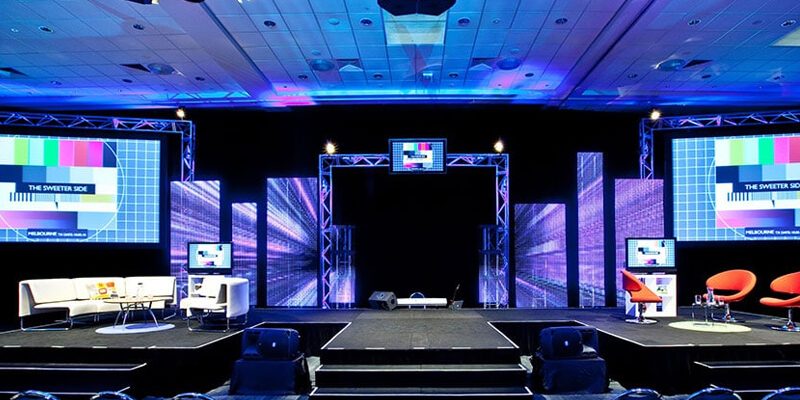
Audio video services typically fall into two overlapping categories: production and rental. Production focuses on creating content, such as filming, editing, live streaming, and post-production work. Rental services provide the equipment and technical support needed to execute an event or installation, including sound systems, lighting, displays, cameras, and control systems.
In practice, these categories often blend. A live event may require rented equipment, on-site technicians, and full production services to capture and distribute content. The goal is not simply to supply gear, but to design an experience that aligns with the purpose of the event and the expectations of the audience.
Designing Experiences Rather Than Just Setups
One of the biggest shifts in the audio video industry is the move from equipment-focused thinking to experience-driven design. Successful audio video services begin with questions, not hardware. Who is the audience? What message needs to be conveyed. How should people feel when they leave?
Sound design considers clarity, coverage, and balance, ensuring that every listener hears the message without strain. Visual design takes into account sightlines, brightness, resolution, and pacing. Lighting shapes mood and focus, guiding attention without overwhelming the senses.
When these elements are aligned, technology fades into the background and the experience takes center stage. This is the hallmark of skilled audio video professionals.
Why Reliability Matters More Than Flash
While cutting-edge technology grabs headlines, reliability remains the foundation of effective audio video services. An event only gets one chance to work. There are no second takes for live audiences.
This is where experience matters. Professionals plan redundancies, test systems thoroughly, and anticipate potential points of failure. They understand how different components interact and how environmental factors like room acoustics or ambient light affect performance.
Rental services play a critical role here by providing well-maintained, properly matched equipment. Production teams ensure that content formats, signal paths, and control systems are compatible. Together, they reduce risk and build confidence for clients and audiences alike.
Audio Video in Business and Beyond
In the corporate world, audio video services support everything from internal meetings to large-scale product launches. Clear sound and visuals improve comprehension, engagement, and credibility. Poor production, on the other hand, can undermine even the strongest message.
Educational institutions rely on audio video to support hybrid learning, recorded lectures, and interactive classrooms. Houses of worship use sound and visuals to reach both in-person and remote congregations. Public events depend on audio video systems to ensure accessibility and safety.
Even private celebrations increasingly incorporate professional audio video elements. Weddings, milestone parties, and community gatherings use lighting, projection, and sound to create atmosphere and preserve memories.
The Growing Role of Live Streaming and Hybrid Events
One of the most significant changes in recent years has been the rise of live streaming and hybrid events. Audiences are no longer limited to those physically present. Events are now designed for both in-room and remote participants.
This shift requires a new level of coordination. Audio must be mixed differently for online listeners. Cameras need thoughtful placement and switching. Visual content must be legible on screens of all sizes. Production teams act as both technicians and directors, shaping how the event is experienced across platforms.
Audio video services that understand this dual audience can extend the reach and lifespan of an event far beyond the room in which it takes place.
Technology Evolves, Fundamentals Endure
Audio video technology changes rapidly. Higher resolution displays, wireless systems, and software-driven control platforms arrive each year. Yet the fundamentals remain the same. Sound must be intelligible. Images must be visible. Systems must work under pressure.
Experienced professionals balance innovation with practicality. They choose tools that enhance outcomes rather than complicate them. They also invest in training, staying current with standards and best practices while maintaining a strong grasp of core principles.
This balance is what separates effective audio video services from those that simply follow trends.
Local Expertise in a Global Industry
While audio video technology is global, execution is often local. Understanding venues, regulations, and logistical realities makes a difference. Teams familiar with the rhythms of a region can respond quickly and adapt to changing conditions.
For organizations and event planners seeking Dallas audio video solutions, local expertise can simplify planning and improve outcomes. Familiarity with common venues, infrastructure, and client expectations allows providers to anticipate challenges and deliver smoother experiences without unnecessary complexity.
Collaboration as a Creative Force
Audio video services are rarely a solo effort. They involve collaboration between clients, producers, technicians, designers, and sometimes performers or speakers. Clear communication and shared goals are essential.
The best results come when audio video teams are involved early in the planning process. This allows technical considerations to support creative vision rather than constrain it. It also helps avoid last-minute compromises that can affect quality.
Over time, strong partnerships develop. Clients learn what is possible. Providers learn what matters most. Together, they raise the standard for future projects.
Why Audio Video Services Matter More Than Ever
In a world saturated with content, quality matters. People are quick to disengage when experiences feel amateur or disjointed. Audio video services help cut through that noise by delivering clarity, professionalism, and emotional impact.
They support connection in an increasingly digital landscape. They help ideas travel further and resonate longer. Whether through a powerful presentation, a well-produced event, or a seamlessly streamed broadcast, audio video services shape how stories are told and remembered.
As technology continues to evolve, the human element remains central. Tools may change, but the goal stays the same: to help people hear, see, and understand one another more clearly.