 By
By Revolutionary Treatments: What’s New in Dermatology?
Biologics and Their Impact on Chronic Skin Conditions
Chronic skin conditions such as psoriasis, atopic dermatitis, and hidradenitis suppurativa have long posed challenges for both patients and healthcare providers. However, the advent of biologic therapies has ushered in a new era in dermatology. Biologics are complex, genetically engineered proteins derived from living cells that target specific components of the immune system. Their introduction has significantly altered the management landscape for chronic skin conditions. In clinical studies, biologics have demonstrated impressive efficacy rates, often leading to substantial improvements in patients’ quality of life.
The precise targeting of biologics offers a dual advantage: they provide effective symptom relief while minimizing systemic side effects commonly associated with traditional immunosuppressant therapies. Treatments such as adalimumab and etanercept have revolutionized the standard care for psoriasis, with many patients achieving clear or nearly clear skin. The breakthrough mechanisms of action, such as inhibiting the interleukin-17 or interleukin-23 pathways, highlight the precision medicine evolution in clinical dermatology. As research continues, the hope is that more specific biologics will be developed with fewer side effects and higher response rates, allowing dermatologists to tailor therapies more effectively to individual patient needs.
The Rise of Teledermatology: Convenience Meets Care
The COVID-19 pandemic significantly accelerated the adoption of telemedicine across various medical specialties, and dermatology is no exception. Teledermatology offers patients the ability to consult with specialists remotely through secure digital platforms. This transformation has not only improved access to care, particularly in rural and underserved areas, but it has also streamlined the diagnostic process for common skin ailments. Virtual consultations can encompass an examination of skin lesions, rashes, and cosmetic concerns through high-resolution images sent by patients from the comfort of their homes.
Moreover, teledermatology provides a layer of efficiency that is particularly valuable in triaging conditions that do not require in-person intervention. Dermatologists can review submitted images and photos, often resulting in quicker diagnoses and treatment recommendations. Even more, with the integration of artificial intelligence tools that assist in image analysis, teledermatology stands to enhance diagnostic accuracy. As this practice becomes more entrenched within dermatological care, it promises to enhance patient satisfaction and promote adherence to treatment regimens, ultimately leading to improved outcomes.
Artificial Intelligence: The Future of Skin Diagnostics
The integration of artificial intelligence (AI) into dermatology is markedly revolutionizing skin diagnostics and treatment pathways. From analyzing images of skin lesions to aiding in the identification of skin cancers, AI tools now play an important role in both clinical practice and research. AI algorithms trained on vast datasets of dermatoscopic images can assist dermatologists in diagnosing conditions with a level of speed and accuracy that rivals or even surpasses human experts.
A notable example involves algorithms that have been shown to effectively identify melanoma at early stages, significantly improving survival rates. Furthermore, machine learning models can continuously learn and adapt, improving their diagnostic capabilities over time. As AI continues to evolve, it’s expected that dermatologists will not only leverage these tools for better diagnostic precision but will also utilize predictive algorithms to recommend preventative care based on individual patient risk factors.
However, the journey toward fully integrating AI into dermatology comes with challenges. Concerns about data privacy, algorithmic bias, and the need for regulatory oversight remain critical discussions among dermatologists. Striking a balance between technological innovation and patient-centered care will dictate the path forward.
Mastering Skin Health: Innovative Practices That Work
The Role of Personalized Skincare in Modern Dermatology
Personalized skincare represents a significant shift from a one-size-fits-all approach to a more tailored strategy based on individual genetics, skin type, and lifestyle factors. This movement towards customization is informed by the understanding that skin health is deeply intertwined with individual biochemistry and environmental influences. Dermatologists are increasingly advocating for skincare regimens customized to a patient’s unique skin profile, which can include evaluations of skin microbiome health, hydration levels, and sensitivity.
The growing body of research supports the efficacy of personalized skincare solutions. Genetic testing can provide insights into how an individual’s skin might respond to certain ingredients, leading to more effective treatment outcomes. Brands such as SkinCeuticals and Epionce have begun integrating personalized formulations into their offerings, emphasizing the need for products that address the specific concerns of individual users.
This paradigm shift not only empowers patients to take charge of their skincare but also fosters a preventative rather than reactive approach, allowing for earlier interventions that can mitigate potential future issues. With the advent of digital tools, patients can more easily manage their skin care routines and consult with dermatologists electronically, leading to enhanced engagement and adherence to personalized care strategies.
Latest Advances in Cosmetic Dermatology: Beyond Botox
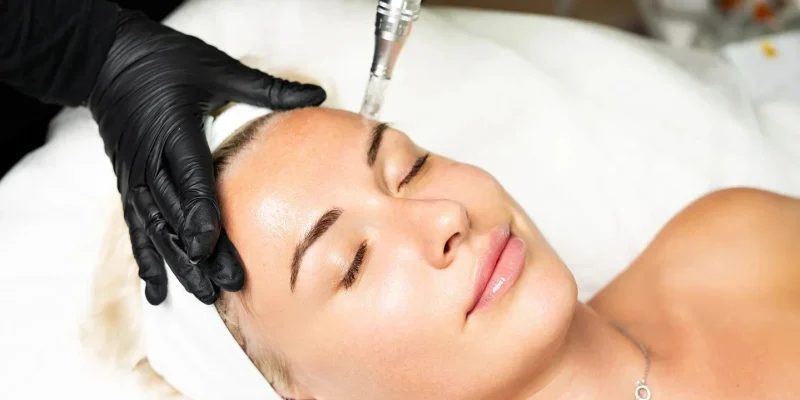
While Botox has been a cornerstone of cosmetic dermatology for years, emerging treatments are expanding the horizons of what is possible in aesthetic enhancement. Novel injectables like hyaluronic acid fillers, which replace lost volume and enhance facial contours, are now available alongside innovative techniques such as micro-needling and laser treatments. These methods not only promote collagen production but also rejuvenate the skin by stimulating its natural healing processes.
Additionally, skin resurfacing technologies, including fractional CO2 lasers and radiofrequency microneedling, have revolutionized treatments for skin texture, pigmentation, and aging signs. The latest developments in tissue engineering and regenerative medicine are paving the way for advanced treatments using adipose-derived stem cells or platelet-rich plasma (PRP), leading to natural-looking results with reduced downtime.
The future of cosmetic dermatology is moving toward holistic approaches that consider overall skin health instead of merely addressing superficial aesthetic concerns. Treatments increasingly combine various modalities for synergistic results, integrating skincare, lifestyle adjustments, and psychodermatological elements to provide a full spectrum of care. This transformation will not only enhance patient satisfaction but also redefine beauty standards in a culture increasingly appreciative of healthy, glowing skin.
Integrative Approaches: Merging Traditional and Contemporary Methods
Integrative dermatology represents an evolving practice that bridges the gap between traditional dermatological treatments and complementary therapies. This approach considers the interconnectedness of mind, body, and skin health, recognizing that emotional well-being and stress management can significantly impact dermatologic conditions. Modality integration often includes dietary modifications, herbal supplements, and mindfulness practices as adjunct therapies to pharmacological treatments, yielding comprehensive care tailored to individual patient needs.
For instance, dietary interventions targeting inflammation through omega-3 fatty acids or antioxidants can be beneficial in managing conditions like eczema or acne. Additionally, herbs such as turmeric and calendula have shown anti-inflammatory properties, making them promising candidates for topical applications or adjunct support. Mental health therapies focusing on stress reduction, such as cognitive-behavioral therapy, meditation, and yoga, are also gaining recognition for their role in managing chronic skin conditions tied to psychosomatic factors.
Integrative dermatology is not without its challenges; the need for rigorous evidence-based studies is essential to validate the effectiveness of these methods and bridge the divide between conventional medical practice and alternative therapies. As dermatologists embrace this holistic approach, it opens up avenues for collaboration between different healthcare practitioners, promoting a more coordinated approach to skin health.
Understanding Skin Disorders: A Deep Dive into Etiology
Psoriasis and Eczema: Unraveling the Mystery of Treatment Resistance
Psoriasis and eczema are two prevalent skin disorders that present significant challenges in treatment efficacy and patient quality of life. Both are characterized by inflammation but manifest differently, with psoriasis often presenting as thick, red patches covered in silvery scales, whereas eczema typically manifests as dry, itchy, inflamed areas. Despite advances in treatment options, many patients report resistance to conventional therapies, which can lead to frustration and diminished quality of life.
Research has revealed that treatment resistance can stem from a variety of factors, including genetic predisposition, environmental triggers, and an altered skin microbiome. Recent studies have emphasized the role of inflammatory pathways such as Th17 and Th2 dominance in psoriasis and eczema, respectively. Understanding these patterns is crucial for developing more effective targeted therapies that address the underlying mechanisms and not just the symptoms.
In addition, comprehensive management of these conditions requires a multifaceted approach that encompasses lifestyle modifications, comprehensive patient education, and significant mental health support. Identifying and avoiding triggers—such as specific allergens, stressors, or irritants—can lead to improved patient outcomes. As dermatology research evolves, there is a critical need for innovative treatments that not only alleviate symptoms but also provide definitive solutions for treatment-resistant patients.
From Acne to Aging: The Science Behind Skin Conditions
Skin conditions such as acne and the visible signs of aging fundamentally stem from biological changes in the skin itself, whereas external factors also play a significant role. Acne is characterized by the interplay of hormones, sebum production, and the presence of specific bacteria. The modern understanding of acne emphasizes its multifactorial nature and the importance of therapeutic intervention tailored to patient-specific characteristics.
On the other hand, aging skin undergoes intrinsic and extrinsic changes that affect its texture, hydration, and elasticity. Factors like UV exposure, pollution, and lifestyle choices dramatically influence the aging process, accelerating the breakdown of collagen and elastin fibers. With an increase in knowledge about skin aging mechanisms, dermatologists are now adopting preventive measures earlier in patients’ lives, utilizing treatments that promote cellular regeneration and scaffold skin structure.
The paradigm shift in approaching these conditions focuses not only on immediate symptom management but also on understanding the underlying biological processes and environmental impacts. This holistic view allows for integrated strategies that optimize skin health across various life stages, from adolescence to adulthood, ensuring more enduring results.
Dermatological Myths: What You Thought You Knew
In the realm of skin health, numerous myths persist, often hindering the efficacy of treatments and heightening patient concerns. Misconceptions such as “sunscreen is only necessary on sunny days” or “chocolate causes acne” can lead to poor habits that adversely affect skin health. Debunking these myths is vital for fostering informed consumers who understand the nuances of skincare and dermatologic treatment.
Education plays a pivotal role in empowering patients. Myth-busting can aid dermatologists in fostering open discussions about skincare regimens, promoting scientifically-backed evidence for treatments, such as retinoids for acne and anti-aging, and the importance of hydration for maintaining skin barrier function. Additionally, understanding the myths surrounding the use of professional treatments and their accessibility can lead to increased utilization and better outcomes for patients. As both dermatologists and patients step into a realm of enlightenment, they may embrace a collective journey toward healthier skin—anchored in science and informed debate.
The Future of Dermatology: Trends to Watch
Sustainable Practices in Dermatological Treatments
The environmental impact of healthcare has gained attention, with a growing demand for sustainable practices in dermatology. This trend encompasses various aspects, including eco-friendly formulations, waste reduction, and the responsible sourcing of ingredients. As a result, dermatology practices are beginning to explore and adopt sustainable methods that align with the principles of green healthcare.
For example, brands are now opting for sustainable packaging solutions, reducing plastic waste, and utilizing biodegradable materials. Additionally, dermatological practices are exploring how dietary recommendations can reflect sustainable choices, advocating for plant-based diets that may be beneficial for both skin health and environmental health. Furthermore, the increased emphasis on the carbon footprint of dermatological devices and their disposal will drive innovation in eco-conscious technologies.
Ultimately, as sustainability becomes a core value in consumer behavior, dermatologisits will need to embrace change. This will not only enhance the reputation of dermatology as a forward-thinking field but also contribute to the greater well-being of the planet. Together, patients and practitioners can drive a movement that supports both skin health and environmental stewardship.
The Role of Genomics in Skin Care Solutions
The advancement of genomic science has opened the door to personalized medicine, particularly in dermatology. Through genetic sequencing, dermatologists can better understand hereditary conditions, assess the likelihood of skin disorders, and even predict patient response to specific treatments. The mapping of genes associated with skin diseases is paving the way for targeted therapies that promise higher efficacy and tailored patient care.
Furthermore, the growing recognition of the role of the skin microbiome in dermatologic health underscores the importance of individual genetic makeup. As researchers delve into the genomic basis of skin disorders, new opportunities emerge for preventive strategies that can mitigate adverse outcomes by addressing underlying genetic risks. By leveraging genomic insights, dermatology stands poised to transform individualized care significantly, allowing dermatologists to optimize treatment regimens based on a patient’s unique genetic profile.
Emerging Technologies That Will Shape Dermatology’s Landscape
The future of dermatology is closely intertwined with emerging technologies that promise to redefine the standard of care. Advancements in digital health technologies such as dermatological apps and telemedicine platforms are revolutionizing how patients access care and manage their conditions. AI-powered diagnostic tools are being developed to analyze skin images more efficiently, improving diagnostic accuracy and allowing dermatologists to focus on more complex cases.
Moreover, augmented reality (AR) is paving the way for enhanced patient experiences, allowing patients to visualize treatment outcomes before undergoing procedures. Cutting-edge technologies such as 3D skin imaging are enabling clinicians to assess skin health dynamically, allowing for more accurate evaluations and personalized treatment plans.
The intersection of dermatology with connected devices such as wearable sensors can help monitor skin conditions in real time, alerting patients and providers to changes in skin health that require immediate intervention. As these technologies gain traction, they hold the potential to empower both patients and healthcare providers to work collaboratively toward improved skin health outcomes. Embracing innovation will be essential for dermatology to remain dynamic and responsive to patient needs in a rapidly evolving landscape.
FAQ
Question: What are biologic therapies typically used for? – Biologic therapies are primarily used for chronic skin conditions such as psoriasis, atopic dermatitis, and hidradenitis suppurativa, providing targeted relief with fewer side effects compared to traditional therapies.
Question: How does teledermatology enhance patient care? – Teledermatology improves patient care by facilitating remote consultations, enabling faster diagnoses and treatment recommendations, particularly in underserved areas where access to specialists is limited.
Question: In what ways does artificial intelligence improve skin diagnostics? – Artificial intelligence enhances skin diagnostics by analyzing images of skin conditions with high accuracy, identifying diseases like melanoma, and supporting dermatologists in making more informed treatment decisions.
Question: What does personalized skincare involve? – Personalized skincare takes individual genetics, skin type, and lifestyle into account, allowing dermatologists to create tailored treatment regimens that address unique patient needs and improve overall skin health.
Question: What are the latest techniques in cosmetic dermatology beyond Botox? – Techniques beyond Botox include the use of hyaluronic acid fillers, micro-needling, and laser treatments, which focus on skin rejuvenation, collagen promotion, and overall skin health improvement.
Question: What is integrative dermatology? – Integrative dermatology merges traditional medical treatments with complementary therapies, emphasizing a holistic approach that addresses the mind, body, and skin connection in managing dermatologic conditions.
Question: What challenges do dermatologists face in managing treatment-resistant skin disorders? – Dermatologists face challenges such as genetic predisposition and environmental triggers that contribute to treatment resistance in skin disorders like psoriasis and eczema, complicating management strategies.
Question: How is sustainability influencing dermatological practices? – Sustainability is influencing dermatological practices by promoting eco-friendly formulations, waste reduction, and responsible sourcing of ingredients, aligning dermatology with green healthcare initiatives for better skin and environmental outcomes.
Useful Resources
- American Academy of Dermatology
- The Dermatology Society
- National Center for Biotechnology Information
- Healthline
- PubMed Central
- Dermatology Times
- Mayo Clinic
- World Health Organization