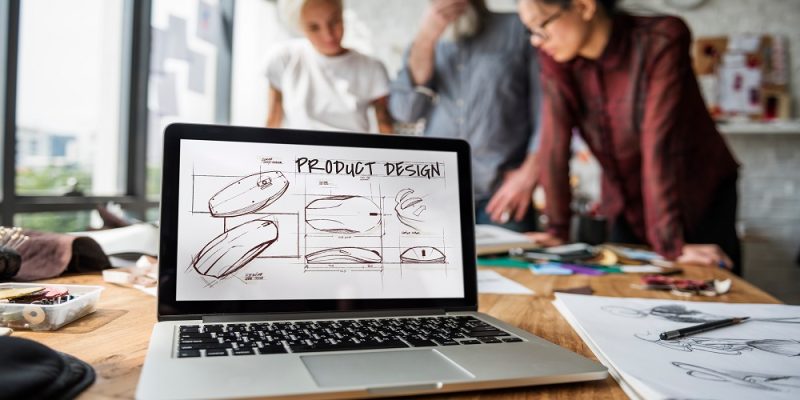
 By
By Introduction
Design development is the critical phase where creative ideas mature into practical, functional, and technically sound solutions. It bridges the gap between early concepts and final execution by refining details, validating feasibility, and aligning aesthetics with performance, cost, and usability requirements. Whether in architecture, product design, or digital experiences, this stage ensures ideas are ready for real-world implementation.
What Is Design Development?
Design development is the process of refining an approved concept into a detailed, coordinated design. During this phase, the core idea remains intact, but every element is analyzed, adjusted, and clarified to meet technical standards, user needs, and project constraints.
Key objectives include:
-
Improving functionality and usability
-
Ensuring technical feasibility
-
Aligning design with budget and timelines
-
Preparing documentation for implementation
Why Design Development Matters
Skipping or rushing design development often leads to costly revisions later. This phase reduces uncertainty and ensures smoother execution.
Major benefits include:
-
Risk reduction through early problem identification
-
Cost control by refining materials and systems
-
Consistency across aesthetics, performance, and branding
-
Stakeholder confidence with clear, detailed outputs
Core Stages of the Design Development Process
Design development typically unfolds in structured steps, though the depth may vary by industry.
Concept Refinement
Initial ideas are evaluated and adjusted for practicality while preserving the original vision.
Technical Coordination
Designers collaborate with engineers, developers, or specialists to confirm structural integrity, performance, and compliance.
Material and System Selection
Materials, components, and technologies are selected based on durability, cost, sustainability, and user experience.
Detailed Documentation
Drawings, specifications, and models are produced to clearly communicate how the design should be built or developed.
Key Deliverables in Design Development
By the end of this phase, teams usually produce tangible outputs that guide execution.
Common deliverables include:
-
Detailed drawings or wireframes
-
Material and component specifications
-
Updated cost estimates
-
Prototypes or high-fidelity models
-
Revised timelines and implementation plans
Design Development Across Industries
Although the principles remain consistent, design development looks different depending on the field.
Architecture and Construction
Focuses on structural systems, building materials, mechanical layouts, and compliance with regulations.
Product Design
Centers on ergonomics, manufacturing methods, materials, and performance testing.
Digital and UX Design
Involves interaction design, visual consistency, accessibility standards, and technical feasibility with development teams.
Best Practices for Effective Design Development
Successful projects rely on disciplined and collaborative design development.
Recommended practices include:
-
Early stakeholder involvement to avoid late changes
-
Clear documentation to reduce misinterpretation
-
Iterative reviews to catch issues before execution
-
Cross-functional collaboration between design and technical teams
-
User-focused validation to ensure real-world effectiveness
Common Challenges and How to Overcome Them
Even well-planned projects face obstacles during design development.
-
Scope creep: Maintain clear objectives and change-control processes
-
Budget overruns: Revisit materials and systems early
-
Communication gaps: Use shared documentation and regular reviews
-
Technical conflicts: Resolve coordination issues before final approval
Conclusion
Design development transforms creative vision into a realistic, executable solution. By refining details, validating feasibility, and aligning all stakeholders, this phase lays the foundation for successful implementation. Investing time and effort here leads to fewer surprises, better outcomes, and designs that perform as beautifully as they look.
Frequently Asked Questions
What comes after the design development phase?
After design development, projects typically move into final documentation and implementation, such as construction documents or production-ready specifications.
How long does design development usually take?
The duration varies based on project complexity, industry, and team size, ranging from a few weeks to several months.
Is design development necessary for small projects?
Yes, even small projects benefit from design development, though the level of detail may be scaled appropriately.
Who is involved in the design development phase?
Designers, engineers, project managers, and key stakeholders usually collaborate closely during this phase.
How does design development differ from conceptual design?
Conceptual design focuses on ideas and direction, while design development refines those ideas into detailed, workable solutions.
Can changes still be made during design development?
Yes, this phase encourages refinement and adjustment before final execution begins.
What tools are commonly used in design development?
Tools may include CAD software, 3D modeling platforms, prototyping tools, and collaborative project management systems.